
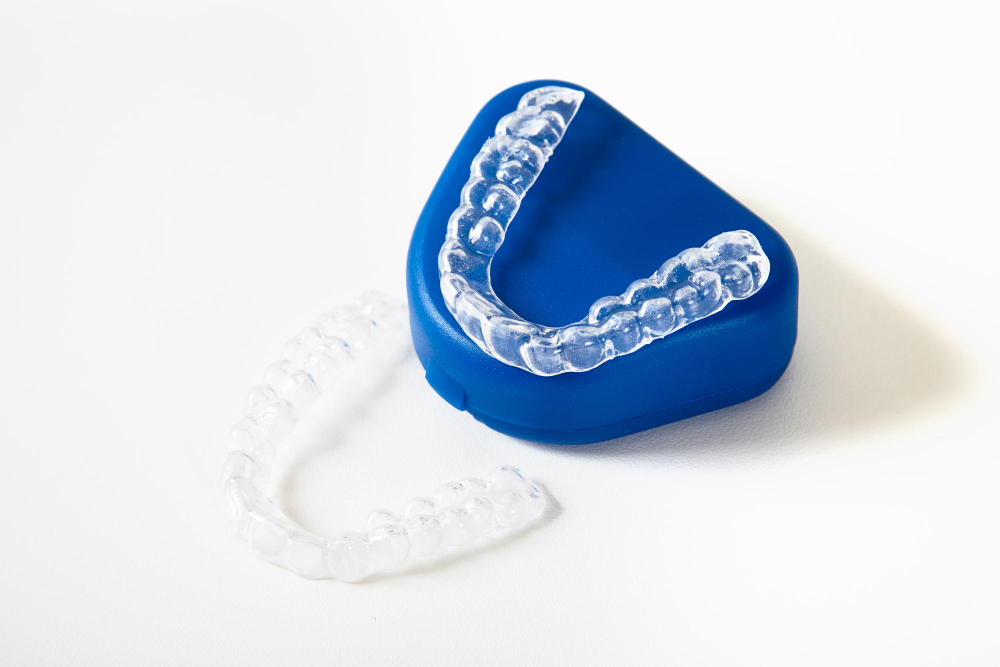
What Are Aligners?
Aligners are clear, removable trays that straighten teeth. Unlike metal braces, aligners are almost invisible. Many people call them clear aligners or invisible braces. Because they are made from smooth plastic, they feel comfortable in your mouth. You can take them out when eating or brushing your teeth. This makes aligners a popular choice for adults and teens who want a discreet way to improve their smile.
How Do Aligners Work?
Aligners work by gently moving your teeth into the right position. First, your dentist or orthodontist takes a scan or mold of your teeth. Then, a series of custom-made aligners is created just for you. Each set of aligners is worn for about two weeks. After that, you switch to the next set. Over time, your teeth shift little by little. Usually, you need to wear aligners for 20 to 22 hours each day. Because you can remove them, eating and cleaning your teeth is easy.
Benefits of Aligners
There are many reasons people choose clear aligners over traditional braces. For example, aligners are:
Additionally, aligners can help improve your oral health by making it easier to clean your teeth.
Who Is a Good Candidate for Aligners?
Not everyone is a good fit for aligners. However, many people with mild to moderate teeth crowding or spacing can use them. You may be a good candidate if you:
Still, only a dentist or orthodontist can decide if aligners are right for you. In some cases, traditional braces may work better.
The Aligner Treatment Process
Getting clear aligners involves several steps. Here is what you can expect:
Because the process is simple, many people find aligner treatment easy to follow.
Care and Maintenance Tips
Taking care of your aligners is important. Here are some tips to keep them clean and clear:
With good care, your aligners will stay clear and work well throughout your treatment.
Potential Risks or Side Effects
While aligners are safe for most people, there can be some side effects. For instance, you may feel mild discomfort or pressure when switching to a new set. Some people notice a slight lisp at first, but this usually goes away. Rarely, aligners can cause gum irritation or allergic reactions. If you notice pain, swelling, or sores, contact your dentist right away. According to the American Association of Orthodontists, most side effects are mild and temporary.
Frequently Asked Questions About Aligners
Prevention of Orthodontic Issues
Good oral habits can help prevent the need for orthodontic treatment. For example, brush and floss daily to keep teeth healthy. Visit your dentist regularly for checkups and cleanings. Avoid habits like thumb sucking, which can affect tooth alignment. If you notice your child’s teeth are crowded or crooked, see a dentist early. Early care can sometimes prevent bigger problems later on.
Conclusion
Clear aligners are a modern, comfortable way to straighten teeth. Because they are nearly invisible and easy to use, many people prefer them over metal braces. However, only a dental professional can tell if aligners are right for you.
Consult a qualified dentist or orthodontist at Hyderabad Dental Care to find out if aligners are right for you.