What Are Milk Teeth?
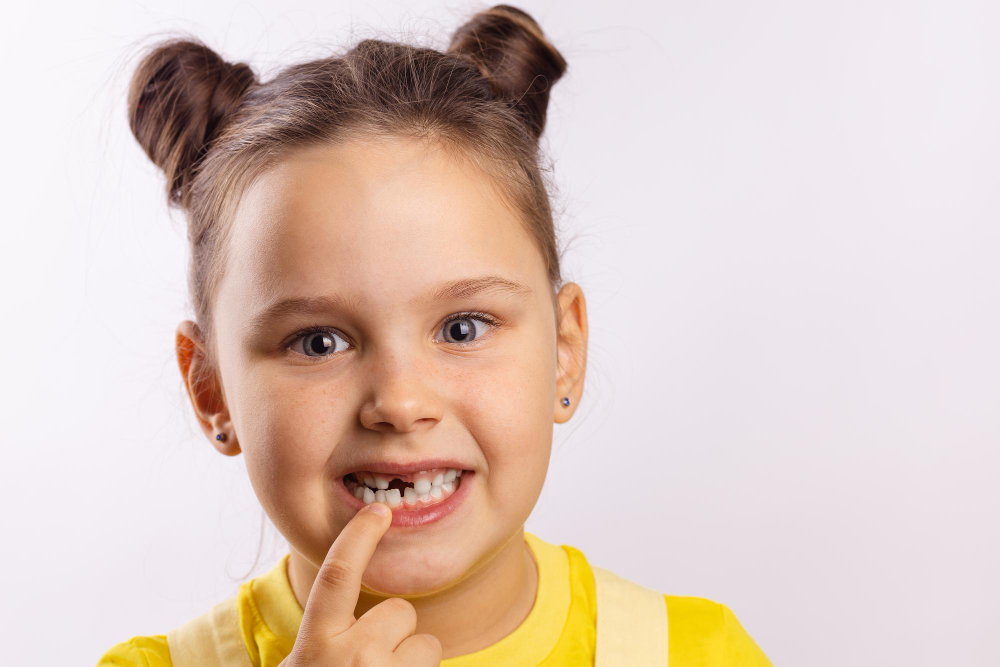
Milk teeth, also called baby teeth, are the first set of teeth your child gets. Usually, these teeth start to appear around six months of age. By age three, most children have a full set of 20 milk teeth. Although these teeth will fall out later, they play a big role in your child’s health. In fact, the importance of milk tooth care starts from the moment the first tooth appears.
Why Are Milk Teeth Important?
Many parents wonder why baby teeth matter if they will fall out. However, milk teeth have several important jobs. For example, they help your child chew food and speak clearly. In addition, they hold space for the adult teeth that come in later. If milk teeth are lost too early, adult teeth may not grow in the right place. This can lead to crowding or crooked teeth. Also, healthy milk teeth help your child smile with confidence. According to the American Dental Association, caring for milk teeth supports lifelong dental health.
Common Problems When Milk Teeth Are Neglected
Neglecting milk teeth can cause several issues. For instance, tooth decay is common in young children. This can lead to pain, infection, or trouble eating. Sometimes, untreated decay can affect the growth of adult teeth. In severe cases, children may need dental treatment or even lose teeth early. Furthermore, poor dental health can affect your child’s overall well-being. The CDC notes that children with dental pain may miss school or have trouble learning.
How to Care for Milk Teeth
Proper care keeps milk teeth healthy and strong. Even before teeth appear, you can clean your baby’s gums with a soft cloth. Once teeth come in, use a small, soft toothbrush and a tiny amount of fluoride toothpaste. Moreover, help your child brush twice a day. Teach them to spit out toothpaste, not swallow it. Also, limit sugary snacks and drinks, as sugar can cause cavities. Regular dental check-ups are important, too. Here are some milk teeth care tips:
When to Consult a Dentist
It is wise to visit a dentist when your child’s first tooth appears or by their first birthday. Early visits help spot problems before they get worse. If you notice any of these signs, see a dentist soon:
Additionally, regular check-ups with a children’s dentist in your area can keep your child’s teeth healthy. Dentists can give advice on brushing, diet, and fluoride use.
In summary, the importance of milk tooth care cannot be ignored. Healthy baby teeth help your child eat, speak, and smile. They also guide adult teeth into place. For the best results, follow good dental habits and see a dentist regularly. Consult a dentist at Hyderabad Dental Care for personalized advice on your child’s dental health.