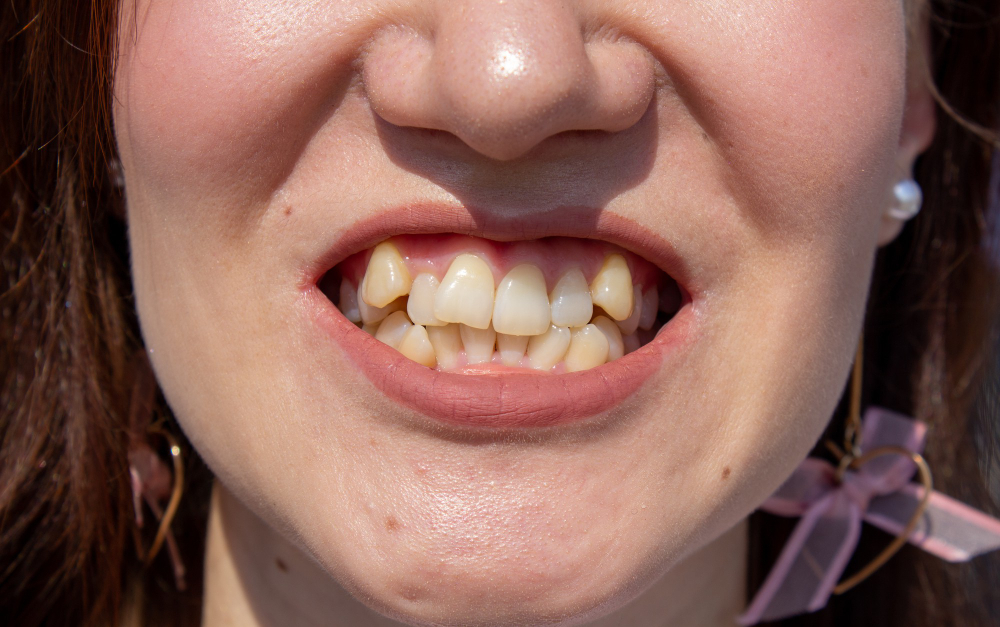
Malocclusion is a dental condition where the teeth or jaws do not align properly. This can lead to problems with chewing, speaking, and even self-confidence. Many people wonder about the types of malocclusion, malocclusion symptoms, and the best malocclusion treatment. In this blog, you will learn what causes malocclusion, how it is diagnosed, and the treatment options available. Understanding dental alignment and jaw misalignment can help you make informed choices about your oral health.
What is Malocclusion?
Malocclusion means your teeth are not lined up correctly when you close your mouth. Because of this, your bite may feel uneven or uncomfortable. There are several types of malocclusion, including:
Each type can affect your dental alignment and overall oral health. Early detection helps prevent further issues.
Common Causes of Malocclusion
Many factors can lead to malocclusion. Sometimes, it runs in families. Other times, habits or injuries play a role. Here are some common causes:
Because these causes vary, it is important to see a dentist if you notice any changes in your bite.
Signs and Symptoms
Malocclusion symptoms can be mild or severe. However, even small changes can affect your daily life. Watch for these signs:
If you notice any of these symptoms, it is wise to seek dental advice. Early treatment can prevent more serious problems.
How Malocclusion is Diagnosed
First, your dentist will ask about your dental history and symptoms. Next, they will examine your mouth, teeth, and jaw. Often, they use X-rays to check the position of your teeth and jaw bones. Sometimes, dental impressions or digital scans help create a clear picture of your dental alignment. Because diagnosis is key, your dentist may refer you to an orthodontist for further evaluation. The process is simple and painless.
Treatment Options for Malocclusion
Malocclusion treatment depends on your age, the type of malocclusion, and its severity. Here are common treatment options:
Because each case is unique, your dentist or orthodontist will suggest the best plan for you. If you are looking for malocclusion treatment in your area, many dental clinics offer a range of options.
Prevention and Oral Health Tips
While not all cases of malocclusion can be prevented, good habits can lower your risk. Try these tips:
Because prevention is easier than treatment, these steps can help you maintain healthy dental alignment.
In summary, malocclusion is a common dental issue that affects people of all ages. Early diagnosis and proper treatment can improve your smile and oral health. If you notice any symptoms or have concerns about your bite, consult a dental specialist for personalized advice and care at Hyderabad Dental Care.